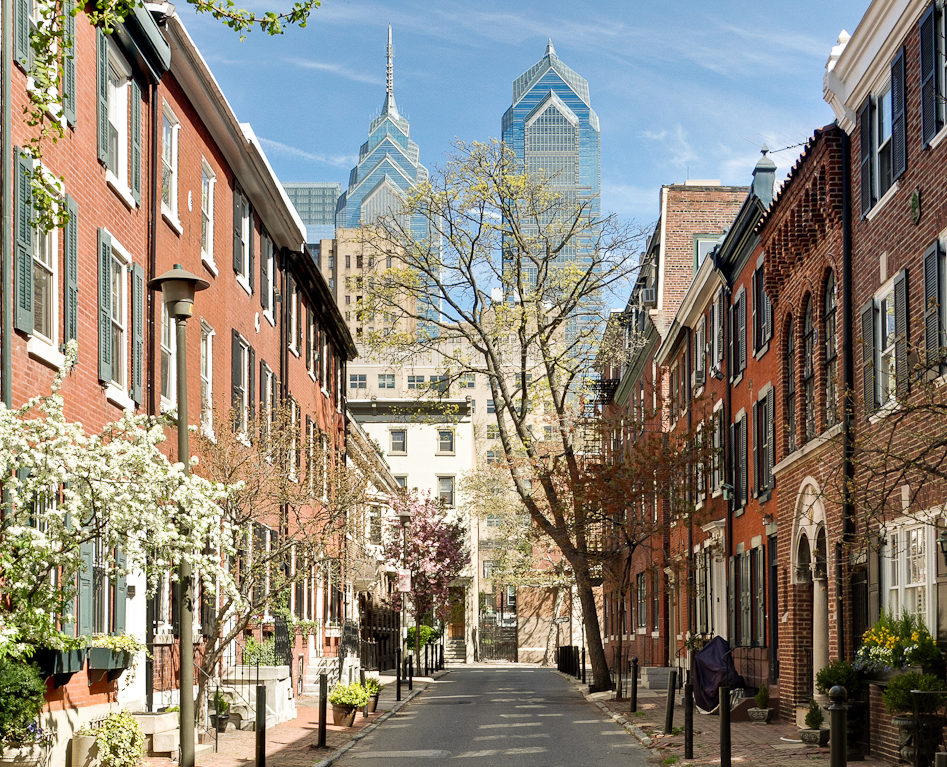
You may have heard people talking about New York City, DC, Boston or Chicago as cities that have good bones. But what does that actually mean? And does it even matter?
You might think a city with good bones must have a relatively old history. After all, many of these cities are centuries old (ancient by American standards). But that doesn’t tell you the entire picture.
Think of a human body. Tear away the skin, the muscles, the organs and veins, and what are you left with? You’re left with the bones, the foundation of the body that all the other parts conform around. The bones are the scaffolding which gives your body structure and rigidity.
Just like the body, the city is also made up of various parts. The buildings, the rules for where to put them, where and how people travel, where people spend their time, etc. All of it plays a role in how the city functions.
But strip all of that away, take out all the buildings, take out the cars, take out the people and the rules and what are you left with? You’re left with the basic built landscape. You’re left with the streets, the sidewalks, the alleys and the way they carve up the neighborhoods into shapes and pieces. You’re left with the natural landscape: where it’s been enhanced and highlighted, where it’s tolerated, and where it’s been suppressed.
Simply put, a city with good bones is a city where the basic built landscape consists of a dense urban fabric, a solid foundation to build a walkable, livable city upon. It’s constructed in such a way to enhance quality of life to the maximum extent.
Some questions you might ask:
- Are the streets narrow enough to encourage walkability and lingering outdoors?
- Are there street trees to provide shade?
- Is there space for a light rail system or any extra space made for public transportation or bicycling?
- Are there parks accessible to where people live?
- Does the city try to connect to its natural features, or separate the populace from them?
When people talk about a city having good bones, they’re seeing past the way it looks right now, to how it once looked, or how it could look in the future if given the right push.
It’s up to the cities themselves to take these good solid traits, and turn them into something more tangible, because having good bones doesn’t mean much if you don’t build upon it, In fact, some cities have squandered their good bones. They’ve actively taken a walkable, pleasant streetscape and turned it into parking lots and highways, which brings all the pollution, noise and health issues with it. Take Kansas City for example.
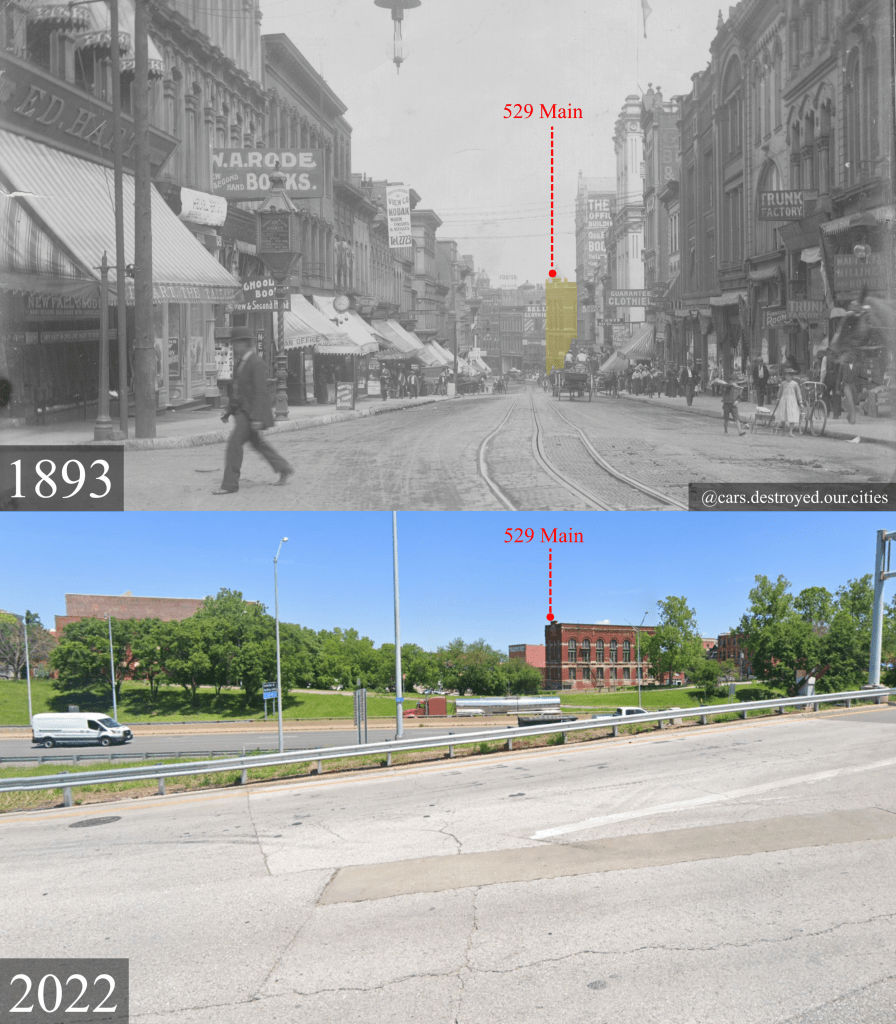
But why is this important? Because cities without good bones struggle to develop those positive urban traits in the first place. How easy could it be to turn a low density suburban neighborhood into a walkable one when pedestrians were never taken into consideration in the first place? How can you implement a sustainable urban form, when every aspect of the built environment works against you?
Even cities that have heavily damaged their good bones by trying to contort themselves into car dependency have an easier time getting back to their past forms. Some of the foundation yet remains, and they already have a vision of what the neighborhood could look like again if only they had the courage to make the change. And nostalgia is quite a powerful thing.
So, my advice to those lucky cities with strong bones, is to protect them, and use them to build a solid foundation for a more vibrant city. And my advice to those cities that don’t have strong bones, is to find the most promising neighborhoods, or even a single street, and start from there. Because even those slivers and scraps of solid bone structure can serve as a good foundation to build upon. You’ve got to start from somewhere. It’s a harder climb, but it’s worth it.
 Planning Blog