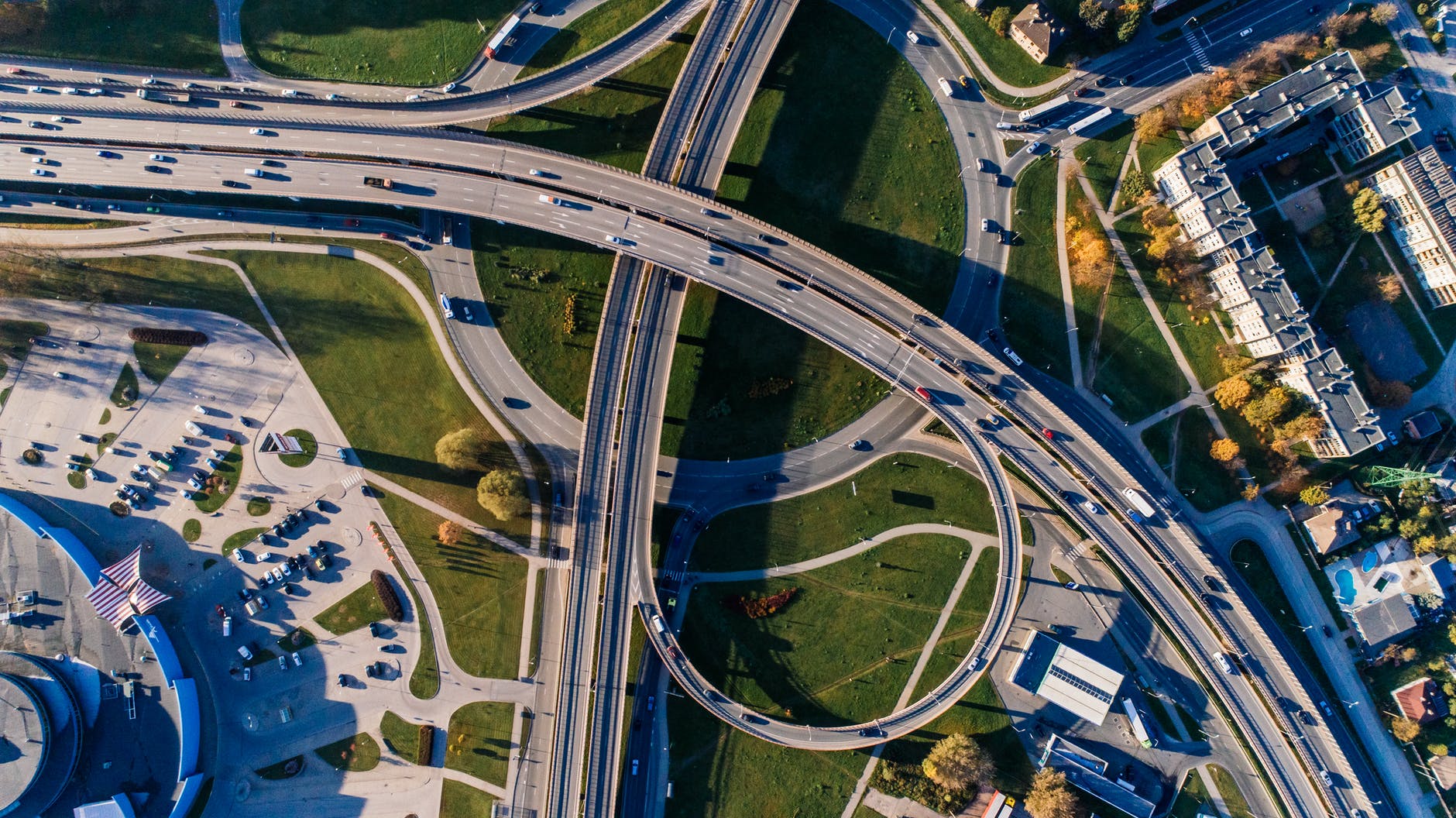
If you are familiar with the American highway system, then induced demand should definitely be in your vocabulary. It stands for the phenomenon that happens all too often when the highway system is expanded or otherwise “improved”. The system is simple:
Step 1. Highway systems are regularly widened to 8, 10, 12, 14 lanes (sometimes an even more ridiculous number) of lanes all in order to alleviate the dreaded traffic that tends to clog them constantly.
Step 2. This expansion tends to help reduce traffic temporarily, but within a few years, it fills the highway back up to capacity, causing an greater traffic problem then there ever had been before.
Step 3. Complaints about the traffic rise to a fever pitch, and the regional Department of Transportation announces more highway widening. The cycle repeats itself ad nauseum, getting a little worse each cycle.
This is a proven phenomena, with very real (and expensive) consequences, yet all across the country, many government agencies bend to pressure and overbuild highways anyway. This shows induced demand must be all bad, right? Well, for highways induced demand is an overall negative factor, but what if I told you that induced demand for public transit could be overall positive?
Here’s why. When you build a public transit system (such as a bus or rail system), you expand it by building it to places that it currently does not operate. This can cause more people to see public transit as a viable option for getting them where they need to go, thereby increase the systems usage overall. Hence the induced demand–The expansion of a transit system leads to a larger than expected increase in ridership. But for the public transit system, this is not really a problem. This kind of system does not cope with an increased ridership by “widening” its current routes. Instead, it copes by increasing the frequency of it’s trains or buses. For example, a train station that gets overcrowded when it receives only 1 stop every 10 minutes can be upgraded to receive 1 stop every 5 minutes, doubling its capacity without spending billions of dollars on an expensive expansion. This means that public transit can respond more effectively to increased use than a highway system.
Another wonderful thing about this system is that it’s adjustable. Once you expand a highway, it stays expanded, regardless of if its holding its full capacity or not. This translates to millions of dollars in yearly upkeep, regardless of if that money is being used effectively. A transit system can adjust the frequency of its stops down or up, depending on the day/time of day/season etc. to maximize efficiency and save money.
What does this tell you? Induced demand might not be much of an issue when the demand is funneled into systems that can handle it better.
 Planning Blog