Imagine a city of millions, with 40,000 people packed into every single square mile. You’d be forgiven if you’d imagine something like this:

Places like these seem large, imposing, and easy to lose yourself in the teeming masses of people. With such an enormous populous, these preconceptions aren’t wrong. If you aren’t particularly attached to urban landscape like this, these cities can be incredibly unappealing. In a much smaller and less dense town, efforts to increase the area’s density could seem like attempts to bring landscapes like these to your neighborhood.
It’s easy, then, to understand the sometimes intense opposition to density in many parts of the country. But density doesn’t have to look like Manhattan. There is an alternative and compelling form of density. Imagine a city like this:
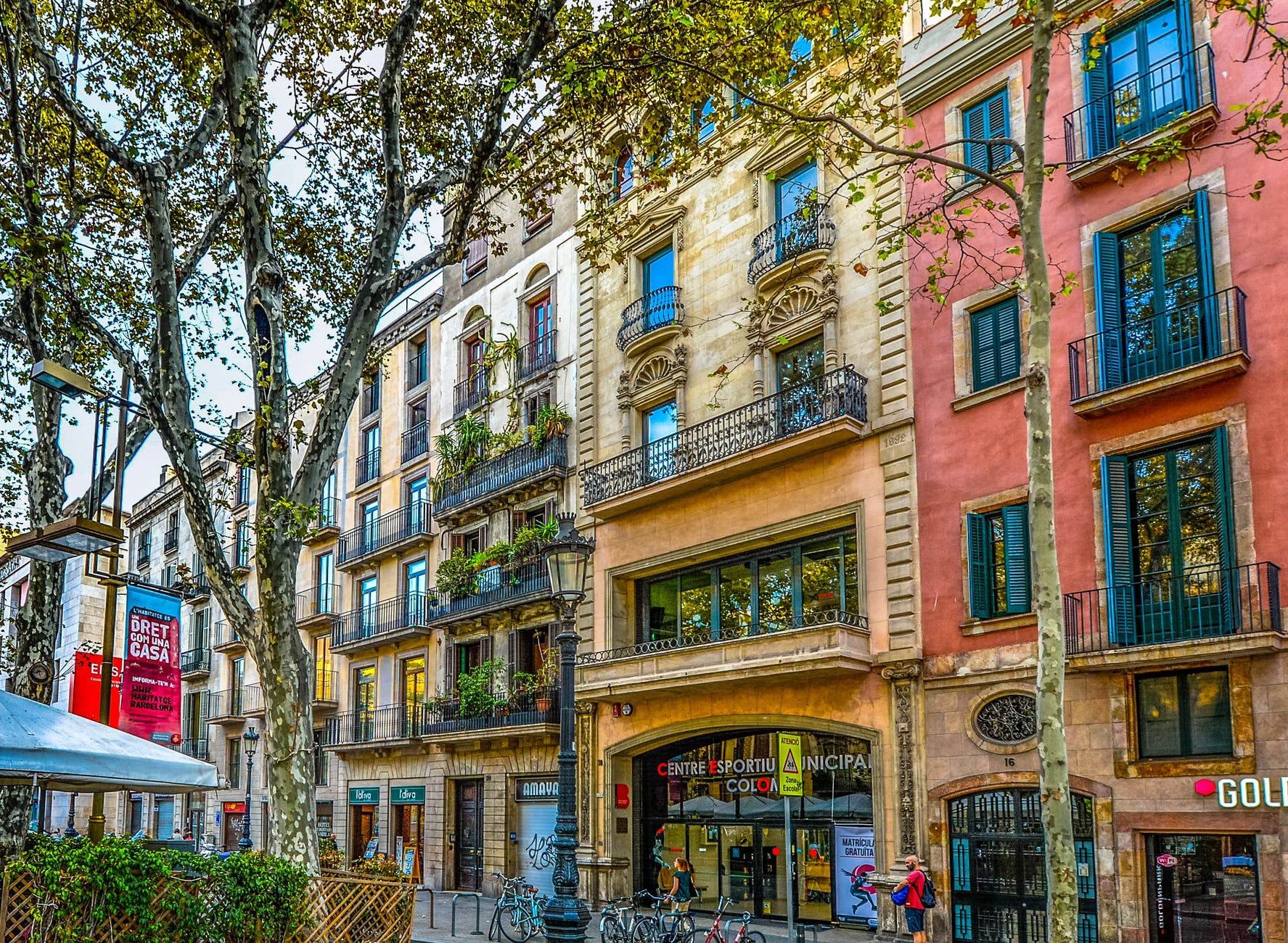
This city doesn’t look like New York City at all. In fact, in my eyes it looks rather like parts of San Francisco. Yet Barcelona is quite dense. It’s 1.5 million people within 39 square miles would make it the most dense city in America, by FAR. Yet this city has managed to achieve this feat with barely any skyscrapers whatsoever. It’s managed to increase it’s density without radically transforming it’s urban landscape.
This was not an accident. Barcelona managed to do this by using innovative urban planning strategies by the planner Ildefons Cerdà. He planned a street grid designed to facilitate pedestrians and many other transportation networks, while simultaneously maximizing urban green space, one of the few concessions to the city was the modest (by today’s standards) increase in building height to what we now see today.
The lesson is: Don’t be scared that density will necessarily turn every city into a Manhattan clone. Density done in a way that respects the preexisting urban form and its benefits will make it easy to densify without losing what makes the landscape special.
 Planning Blog